




A new wave of innovation in chemistry is reshaping how the world thinks about clean fuel production. Scientists at Ohio State University have unveiled a breakthrough that could make fuel synthesis and carbon capture significantly cleaner, more efficient, and more sustainable and it all comes down to how gases stick to catalysts.

Creator: DenisTangneyJr
Copyright: DenisTangneyJr
The research focuses on a critical process in modern energy science: converting carbon dioxide (CO₂) into carbon monoxide (CO) a vital chemical used to create synthetic fuels, plastics, and other industrial materials. This transformation lies at the heart of efforts to recycle greenhouse gases into valuable products instead of letting them heat up the planet.
But the challenge has always been one of chemistry’s most subtle puzzles: how tightly should a molecule stick?
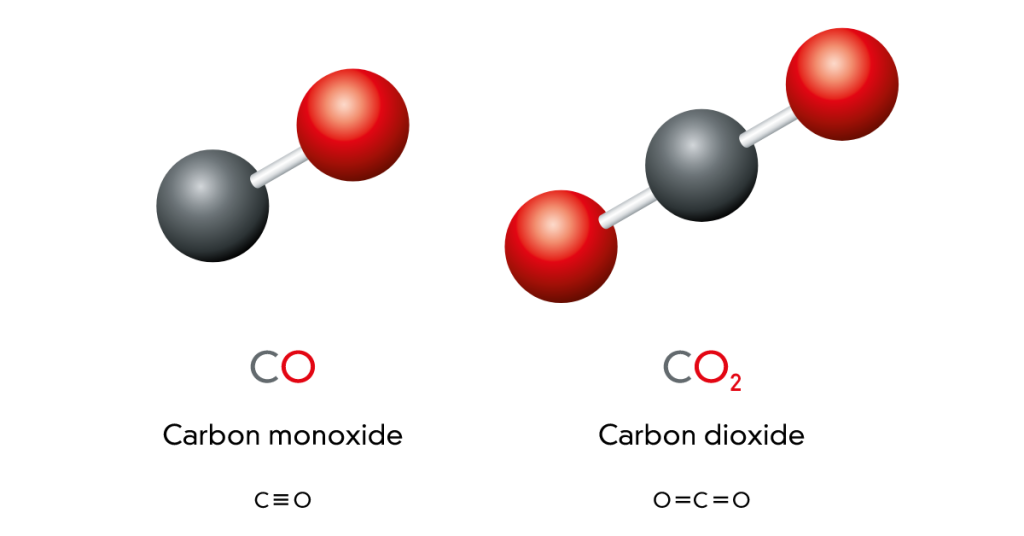
When a CO molecule clings too strongly to a catalyst’s surface, it blocks other molecules from reacting. When it binds too weakly, it slips away before the reaction can finish. The Ohio State team has developed a new scientific framework to measure and control this delicate balance a concept they call “stick-chemistry.”
Their study shows that by understanding and adjusting the stickiness between gas molecules and catalyst surfaces, chemists can dramatically boost the efficiency of reactions used in clean fuel production. The result is less waste, lower energy use, and cleaner fuel output.
“The way a molecule attaches to a catalyst can make or break the reaction,” explained Dr. Joshua Kersell, the study’s lead researcher. “By learning to control that stickiness, we can design smarter catalysts that give us better results faster and cleaner.”
Catalysts are materials that speed up chemical reactions without being consumed. They are used in everything from car exhaust systems to fertilizer production. In the energy sector, they are crucial for processes that turn captured CO₂ into usable fuel a cornerstone of carbon capture and utilization (CCU) technologies.
This “stick-chemistry” insight could help engineers create the next generation of catalysts designed for green fuel manufacturing, hydrogen production, and even plastic recycling. It also offers a new path forward for reducing industrial emissions, one of the major drivers of global climate change.
Experts believe that this discovery brings scientists closer to a future where CO₂ once viewed only as pollution becomes a raw material for building a cleaner economy. It could transform factories, refineries, and energy plants into systems that recycle their own emissions rather than releasing them into the air.
“It’s about changing how we see waste,” said Dr. Kersell. “If we can reuse carbon dioxide efficiently, it becomes part of a sustainable energy cycle instead of a global problem.”
The research not only improves the science behind fuel production but also deepens our understanding of surface chemistry the interactions that happen at the atomic level where solid catalysts meet gas molecules. It’s a small-scale discovery with large-scale impact.
As the world moves toward renewable energy and carbon-neutral systems, chemistry continues to play a central role. The idea that cleaner fuels might come from simply rethinking how molecules “stick” could mark one of the most practical advances of the decade.
This isn’t just science in a lab it’s chemistry paving the road to a cleaner, more sustainable future
Source: Ohio State University News – “How unlocking ‘sticky’ chemistry may lead to better, cleaner fuels”, published October 27, 2025.