





Nairobi Senator Edwin Sifuna has continued to speak out strongly against the Social Health Authority (SHA), saying it has failed to deliver on President William Ruto’s promise of universal healthcare for all Kenyans.
Sifuna said that when the government replaced the National Health Insurance Fund (NHIF) with the SHA, Kenyans were told that the new system would make healthcare fair, transparent, and affordable. He explained that the main idea was to have a graduated payment system, where people contribute to the health fund based on how much money they earn.
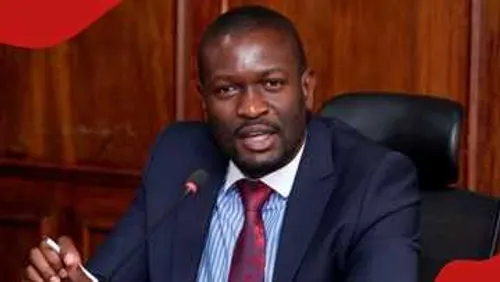
source: facebook
Kenyans Still Struggling to Get Medical Care
Sifuna said that under the SHA, healthcare is still out of reach for most low-income families. He mentioned that even people who make regular contributions are not guaranteed services when they go to hospitals.
“Some Kenyans have paid their contributions, but when they get sick and visit public hospitals, they are told there are no drugs or equipment,” he said. “They are forced to buy medicine from private chemists. This is not what the government promised.”
According to Sifuna, the SHA has failed to live up to its goal of protecting Kenyans from high medical costs. He said the program should ensure that no one is denied treatment because of money, but that is not the case today.
Promises Versus Reality
When President Ruto launched the Social Health Authority in 2024, he said it would replace the old NHIF, which had been accused of corruption, delays, and poor management. The president promised that the new system would give all Kenyans equal access to healthcare, especially the poor.
Ruto’s government said the SHA would collect contributions more efficiently and use the money to improve hospitals and pay health workers on time. But Sifuna argues that these changes have not been seen.
“People were told the new system would be fairer, but instead, they are paying more and getting less,” he said. “Hospitals in Nairobi and across the country still lack medicine, equipment, and staff. Patients are even being asked to buy basic supplies like gloves and syringes.”
He also criticized the government for rushing to introduce new laws and systems without first fixing the problems that existed under the NHIF. “You cannot just change the name and expect things to improve,” Sifuna said. “What we needed was better management and accountability, not just a new title.”
Concerns from the Public
Many Kenyans have also shared their frustrations about the new health system. Some say they do not understand how the new payment system works, while others say their contributions have increased without a clear explanation.
In several counties, patients have complained about long waiting times and being turned away because hospitals do not recognize their SHA cards. Some health workers have also said that they have not received proper training on how to use the new system.
A resident of Nairobi said, “We were told this new health system would make things better, but now it’s even more confusing. We pay, but we don’t see the benefits.”
Government Response
Officials from the Ministry of Health have defended the new system, saying it is still new and that changes take time. They explained that the SHA was designed to ensure fairness and reduce corruption. They also said that the government is working to make sure all hospitals are properly equipped to handle the new program.
“The Social Health Authority is a big step towards achieving universal health coverage,” a ministry spokesperson said recently. “We know there are challenges, but we are improving the system every day. Kenyans should be patient and give it time.”
However, Sifuna believes that the government should act faster to fix the problems. He said health is a basic right and cannot wait. “You cannot tell a sick person to be patient,” he said. “When people are in pain or dying because they cannot afford treatment, that is a crisis.”
A Call for Action
Sifuna urged the government to review the SHA and make sure it truly benefits ordinary Kenyans. He said the health system should not just look good on paper but should work for everyone, including those who cannot afford private hospitals.
“The government must listen to the people,” he said. “If the system is not working, it must be changed. We cannot keep repeating the same mistakes and expect different results.”
He also called for more funding for public hospitals, saying that many are under pressure due to a lack of supplies, drugs, and staff. “Doctors and nurses are doing their best, but they are overwhelmed,” he added. “We must give them the support they need to serve our people.”
Conclusion
Senator Edwin Sifuna’s criticism reflects growing frustration among Kenyans about the country’s healthcare system. While the Social Health Authority was launched with the hope of bringing fairness and quality healthcare to all citizens, many feel it has not met expectations.