





On the surface, heavy rains may seem like a simple weather nuisance, but according to Kenya Power and Lighting Company (KPLC), they are one of the main triggers for frequent power outages in Kenya. Here’s a breakdown of why rainy weather often leads to blackouts, what KPLC is doing, and how consumers can respond.
What KPLC Says
KPLC explains that rainy weather can trigger outages for several reasons:
- Strong winds and falling trees: Heavy rainfall often comes with strong winds that cause trees to sway or fall. Branches can touch or fall on power lines, creating faults in the system.
- Moisture on equipment: Rainwater can reduce the insulation of power equipment, making short circuits and flashovers more likely.
- Lightning strikes: Lightning can hit power lines or equipment, causing voltage spikes and tripping protection systems.
- Aging infrastructure: Older transmission and distribution systems are less capable of handling the stresses caused by severe weather.
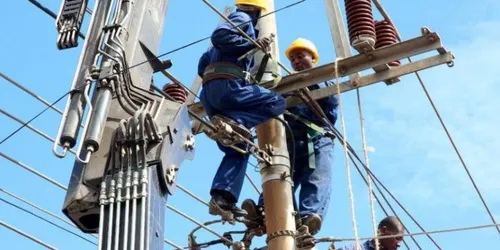
In KPLC’s words: “Heavy rains often come with strong winds. Trees sway, branches touch and occasionally fall on electric lines, triggering circuit breakers and causing outages.”
How Rain Triggers Blackouts
- Branches falling on power lines: These can complete a conductive pathway to ground or between conductors, activating circuit breakers and cutting off power.
- Water accumulation on insulators: Cracked or dirty insulators allow water to form a conductive bridge, causing short circuits.
- Lightning-induced surges: Storms can cause sudden spikes in voltage, which trigger protection systems and shut down feeders.
- Flooding and pole destabilization: Heavy rains can damage poles or pylons, making parts of the network unsafe to operate.
Broader Context
- Rainfall is not always the most common cause of outages, but during rainy seasons, the distribution network becomes more vulnerable.
- Infrastructure challenges, such as aging equipment and inadequate tree trimming, increase the likelihood of outages during storms.
- Outages are often more noticeable during rainy periods because multiple factors : wind, trees, and unstable infrastructure combine.
What KPLC Is Doing
- Tree pruning: Removing branches near power lines to prevent contact during storms.
- Lightning and surge protection: Installing arrestors to manage voltage spikes.
- Encouraging reporting: Customers can report fallen trees or branches near power lines.
- Network upgrades: Reinforcing distribution infrastructure to improve resilience.
What Consumers Can Do
- Report dangerous trees or branches near power lines promptly.
- During storms, switch off non-essential appliances to reduce load on the system.
- Use surge protectors for sensitive electronics.
- Consider backup power or alternative energy sources like solar with batteries for areas frequently affected.
Why It Feels Like “It Always Goes Off When It Rains”
Many people perceive that power always goes off during rain. KPLC explains that this is not intentional; it is the network reacting to faults caused by weather. During rainy seasons, outages are more visible because multiple risk factors coincide, making power interruptions feel frequent and unpredictable.
Conclusion
The link between rainy weather and blackouts in Kenya is real and systemic. Trees, wind, lightning, and aging infrastructure make the distribution system vulnerable. While KPLC is taking steps to mitigate the impact, full resilience requires ongoing investment, preventive maintenance, and stronger infrastructure. Consumers can also take measures to reduce the impact of outages and protect their equipment.